


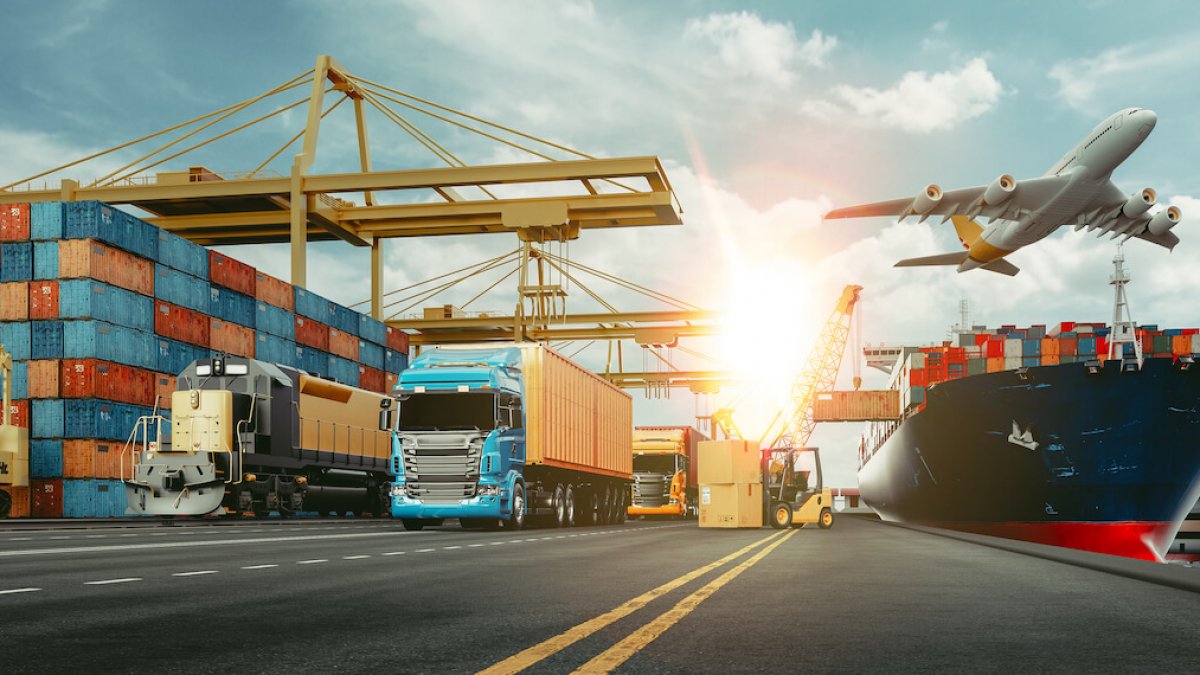
In an increasingly connected world, logistics has evolved from a support function into a strategic driver of business growth. It plays a crucial role in ensuring that goods move seamlessly across cities, countries, and continents. Whether it is raw materials for manufacturing or finished products for consumers, logistics is the system that keeps supply chains functioning smoothly.
Modern logistics is built on three fundamental pillars: transportation, warehousing, and distribution. Transportation involves selecting the most efficient routes and modes—whether by road, air, sea, or rail—to move goods quickly and cost-effectively. Warehousing ensures that products are stored safely and are readily available when needed. Distribution focuses on delivering goods to the right place at the right time, often involving complex coordination between multiple stakeholders.
The digital transformation of logistics has introduced powerful tools that enhance operational efficiency. Technologies such as cloud computing, Internet of Things (IoT), and blockchain are reshaping how logistics companies operate. IoT devices, for instance, allow real-time tracking of shipments, enabling businesses to monitor conditions like temperature and location. Blockchain technology enhances transparency and security by creating tamper-proof records of transactions across the supply chain.
Customer expectations have also redefined logistics standards. Today’s consumers demand speed, transparency, and reliability. They want to track their orders in real time and receive accurate delivery estimates. To meet these demands, companies are adopting advanced logistics strategies such as demand forecasting, route optimization, and automated fulfillment centers. These innovations help reduce delays, lower costs, and improve overall service quality.
Last-mile delivery remains one of the most challenging aspects of logistics. It refers to the final step of the delivery process, where goods are transported from a distribution center to the end customer. This stage is often the most expensive and time-consuming. Companies are experimenting with solutions like delivery drones, autonomous vehicles, and local distribution hubs to improve last-mile efficiency.
Sustainability is becoming a top priority in logistics operations. Businesses are actively seeking ways to reduce their environmental impact by adopting greener practices. This includes using fuel-efficient vehicles, optimizing delivery routes, and minimizing packaging waste. Sustainable logistics not only benefits the environment but also aligns with consumer preferences for eco-conscious brands.
Furthermore, the global nature of supply chains means that logistics must be resilient. Disruptions such as pandemics, trade restrictions, and natural disasters can significantly impact operations. Companies are now focusing on building flexible supply chains that can quickly adapt to changing conditions. This includes diversifying suppliers, increasing inventory buffers, and leveraging data analytics for better decision-making.
In summary, logistics is no longer just about transportation—it is a dynamic and technology-driven field that directly impacts business performance. Organizations that invest in modern logistics solutions can improve efficiency, reduce costs, and deliver superior customer experiences. As global trade continues to expand, the importance of logistics will only grow stronger, making it a key pillar of economic development and competitive advantage.